
Alternatives to StockFit API
Explore the best alternatives and competitors to StockFit API.
Explore 20 alternatives to StockFit API. Compare features, pricing, and find the best fit for your needs.


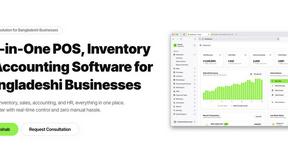
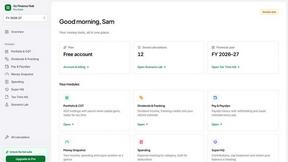
Hishab
All-in-one POS, inventory, accounting and HR software for Bangladeshi SMEs — real-time sales, stock and finance in one place.
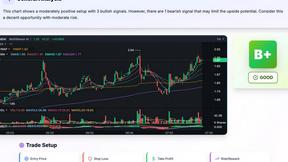
SnapPChart
AI that grades your trading chart screenshot with a letter grade, entry, stop and targets. Works for stocks, forex and crypto.

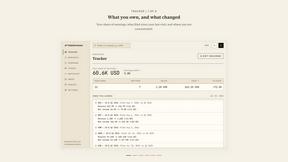

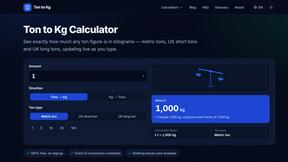
Ton to Kg Calculator
Ton To KG Calculator is a free online weight conversion tool that helps users instantly convert tons to kilograms with precision. Built with a clean.

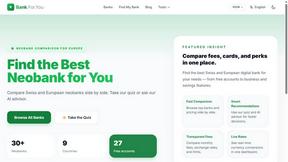
Bank.For.You
Compare Swiss and European neobanks side by side with a quick quiz or AI advisor to find your best digital bank.

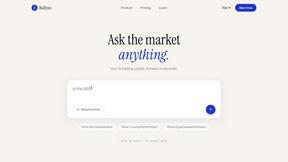
iPulse
iPulse delivers AI-driven market intelligence with real-time forecasts, risk signals, and data across global assets for informed decisions.
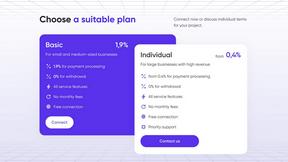
TryBit
TryBit is a secure crypto payment gateway for businesses to accept over 40 cryptocurrencies worldwide with low fees and 24/7 support.

helpdol
Helpdol uses voice commands to track expenses, forecast cash flow, and organize receipts so small businesses stay tax-ready.

Postservice.at
Postservice.at provides a legally valid Vienna business address for your company registration, impressum, and mail forwarding, starting at 49 euros.
About StockFit API Alternatives
StockFit API is a specialized financial data platform designed for developers, quants, and research platforms that require direct, standardized access to SEC filing information. It belongs to the Business & Finance category, specifically within the niche of fundamental financial data and XBRL parsing services. Users typically seek alternatives for a variety of reasons, including budget constraints, a need for different pricing models, or a desire for additional features such as real-time streaming data, broader market coverage beyond SEC filings, or simpler integration with legacy systems. Some may also find that their specific use case does not require the deep audit trail and full-detail reconstruction that StockFit provides, leading them to look for lighter or more generalized solutions. When evaluating an alternative, it is crucial to assess data accuracy and traceability, as financial modeling depends on numbers that can be verified against original filings. You should also consider the depth of coverage, including whether the service handles non-December fiscal years, amended filings, and Q4 reconstructions. Pricing transparency, API documentation quality, and the availability of standardized data formats are equally important. Additionally, think about your specific workflow: if you need AI-ready economic models or detailed ETF and fund exposure data, ensure that any alternative offers comparable depth rather than just raw numbers. Finally, evaluate update frequency and historical data depth to ensure the service can support both backtesting and ongoing analysis.
FAQs about StockFit API Alternatives
What is StockFit API?
StockFit API is a financial data platform built specifically for developers, quants, and research platforms. It provides clean, standardized financial data pulled directly from SEC XBRL filings, ensuring every number is traceable back to its original filing. The platform covers fundamentals, ownership data, ETF and mutual fund exposure, insider transactions, and all types of filings, making it suitable for serious financial analysis and backtesting.
Who is StockFit API for?
StockFit API is designed for developers, quantitative analysts, and research platforms who need direct, reliable access to SEC filing data without compromises. It is particularly useful for those building financial models, running backtests, or analyzing company fundamentals, especially when they require accurate and auditable data that is not available through cheaper or enterprise-tier APIs. The platform also serves users who need AI-friendly economic models for LLM workflows.
Is StockFit API free?
The provided product description does not specify whether StockFit API offers a free tier or a pricing model. However, it does position itself as a solution that fills the gap between cheap, inaccurate tiers and expensive enterprise contracts, suggesting it may offer a balanced pricing structure. For specific details on pricing or free access, users should consult the official StockFit API website or documentation.
What are the main features of StockFit API?
StockFit API offers over 250 million facts and 5 million filings with daily updates. It handles complexities such as amended filings, non-December fiscal years, and Q4 reconstructions from 10-K and 10-Q data. Beyond raw numbers, it provides rich economic models per company, including offerings, peers, operating levers, competitive advantages, and failure modes. For ETFs and mutual funds, it models mandate, portfolio construction, costs, sensitivities, and use cases in an AI-friendly format.