

QUVIAI
QUVIAI generates photorealistic architectural renders, videos, 3D scenes, and music from text or image inputs.
About QUVIAI
QUVIAI is an all-in-one, AI-powered creative platform specifically designed for architects, designers, and creators who need to visualize and iterate on their ideas with speed and precision. The platform eliminates the need to switch between multiple software applications by integrating a comprehensive suite of tools into a single, unified workspace. Users can upload a simple sketch, a reference image, or a detailed 3D model and instantly transform it into photorealistic renders, cinematic videos, multi-angle views, floor plan renders, and even original music. At its core, QUVIAI features a built-in 3D workspace that allows for direct modeling, rendering, and iterative design without leaving the environment. This integrated approach streamlines the creative process, enabling professionals to edit scenes using intuitive text prompts, generate custom furniture and decorative objects, and stage them precisely within a scene. The platform also supports the creation of cinematic walkthroughs by defining start and end frames. QUVIAI is accessible across multiple devices, including web, iOS, and Android, making it a versatile tool for both studio work and on-the-go inspiration. Its main value proposition is to consolidate the entire architectural visualization pipeline, from initial concept to polished final output, into one powerful and accessible platform.
Features of QUVIAI
AI Image Generation
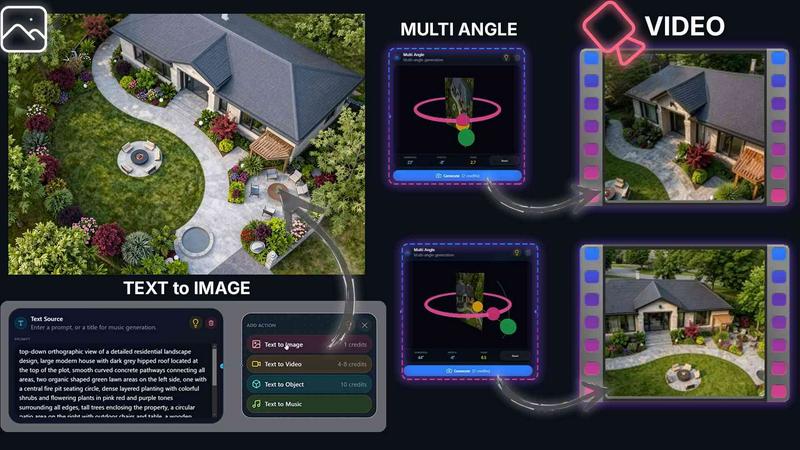
This feature allows users to turn any text prompt or reference image into stunning, photorealistic architectural renders in a matter of seconds. The image generation suite is designed for speed and quality, enabling architects and designers to quickly explore different visual styles, materials, and lighting conditions without manual rendering. It supports both text-to-image and image-to-image workflows, making it a versatile tool for conceptualization and client presentations.
AI Video Creation
Users can animate static images, generate immersive walkthroughs, or create cinematic sequences from a single text prompt or source image. This video generation suite is tailored for architectural production, allowing professionals to bring their designs to life with motion. Whether it is a slow fly-through of an interior space or a dynamic exterior tour, this tool transforms still visuals into engaging, presentation-ready video content.
Multi Angle Suite
This feature enables users to generate multiple architectural viewpoints from a single source image. Instead of manually setting up different camera angles, the tool automatically produces a rich set of perspective sets that are ideal for presentations and design reviews. This capability saves significant time and ensures that every important angle of a project is covered, providing a comprehensive visual narrative.
Object Staging
The object staging suite allows users to generate 3D objects and stage them directly into scene backgrounds. This tool ensures that all elements within a composition have consistent lighting and perspective, resulting in polished and professional compositions. It is particularly useful for interior designers who need to place custom furniture or decorative items into a rendered space, making the final output feel realistic and cohesive.
Use Cases of QUVIAI
Architectural Concept Visualization
Architects can use QUVIAI to rapidly transform early-stage sketches or vague text descriptions into photorealistic renders. This accelerates the concept development phase, allowing for quick exploration of different design directions. By generating multiple visual options in minutes, architects can present compelling ideas to clients and stakeholders, facilitating faster decision-making and project approval.
Interior Design and Furnishing
Interior designers can leverage the platform to generate and stage custom furniture, decor, and fixtures within a rendered room. Using the object staging and edit tools, they can experiment with different layouts, color schemes, and textures. The ability to make adjustments with simple text prompts and see immediate results streamlines the iterative design process, making it easier to refine a space until it meets the client's vision.
Real Estate Marketing and Presentations
Real estate professionals can use QUVIAI to create cinematic video walkthroughs and multi-angle views of properties that are still in the design phase or under construction. By generating high-quality, realistic visuals and videos from plans or 3D models, they can create compelling marketing materials. This helps potential buyers visualize the finished property, increasing engagement and interest before the physical structure is complete.
Collaborative Design Review
Design teams can use the platform's 3D workspace and editing tools to collaborate on a single project in real-time or asynchronously. Team members can generate different perspectives, apply edits, and produce consistent renders without switching between software. This unified workflow reduces miscommunication and ensures that all stakeholders are viewing the most current version of the design, leading to more efficient and accurate design reviews.
Frequently Asked Questions
What file types can I upload to QUVIAI?
QUVIAI supports a variety of input formats to accommodate different workflows. Users can upload sketches, images, and 3D models. The platform is designed to process these inputs and transform them into photorealistic renders, videos, and other outputs. For the most up-to-date list of supported file types, it is recommended to check the official platform documentation or contact support.
Is QUVIAI available on mobile devices?
Yes, QUVIAI is accessible on multiple platforms. It is available as a web application that can be used from any modern browser, as well as dedicated mobile apps for both iOS and Android devices. This cross-platform availability ensures that users can start a project on their desktop and continue working on it while on the go, providing flexibility for busy professionals.
How does the text-to-3D feature work?
The text-to-3D feature allows users to generate 3D objects and scenes directly from descriptive text prompts. By entering a detailed description of the desired object, such as a specific piece of furniture or a decorative element, the AI creates a 3D model that can be placed into the scene. This object can then be staged, textured, and rendered within the platform, streamlining the process of populating a design with custom assets.
Can I edit my renders after they are generated?
Yes, QUVIAI includes a dedicated edit suite that allows for post-generation refinement. Users can perform tasks such as masking specific areas, inpainting details, cleaning up unwanted elements, and making fine adjustments to the overall visual. This editing workflow is built specifically for architectural needs, enabling professionals to polish their renders to perfection without needing a separate image editing software.
Similar to QUVIAI

StyleCut
StyleCut is an AI hairstyle changer that lets you preview 70+ haircut ideas on your own photo before visiting the salon.

Vismuse
Create polished AI images and videos from prompts or references for social posts, ads, flyers, album covers, and campaigns.

StopScroll
AI YouTube thumbnail maker that helps creators generate high-click thumbnails faster.

HubVanta AI
HubVanta AI helps creators generate images and videos with advanced AI tools for visual content workflows.

Yume Comic
Yume Comic is an AI-powered tool that transforms your text prompts into consistent, stylized manga and webtoon panels in minutes without drawing.

Square Face Generator
Square Face Generator is a free browser-based avatar maker that lets you mix parts, pick colors, and download transparent PNGs without any login or.